The Industrialization of Attention: Best Meme Trading Platforms & Launchpads 2025
1. The Casino is Now Autonomous
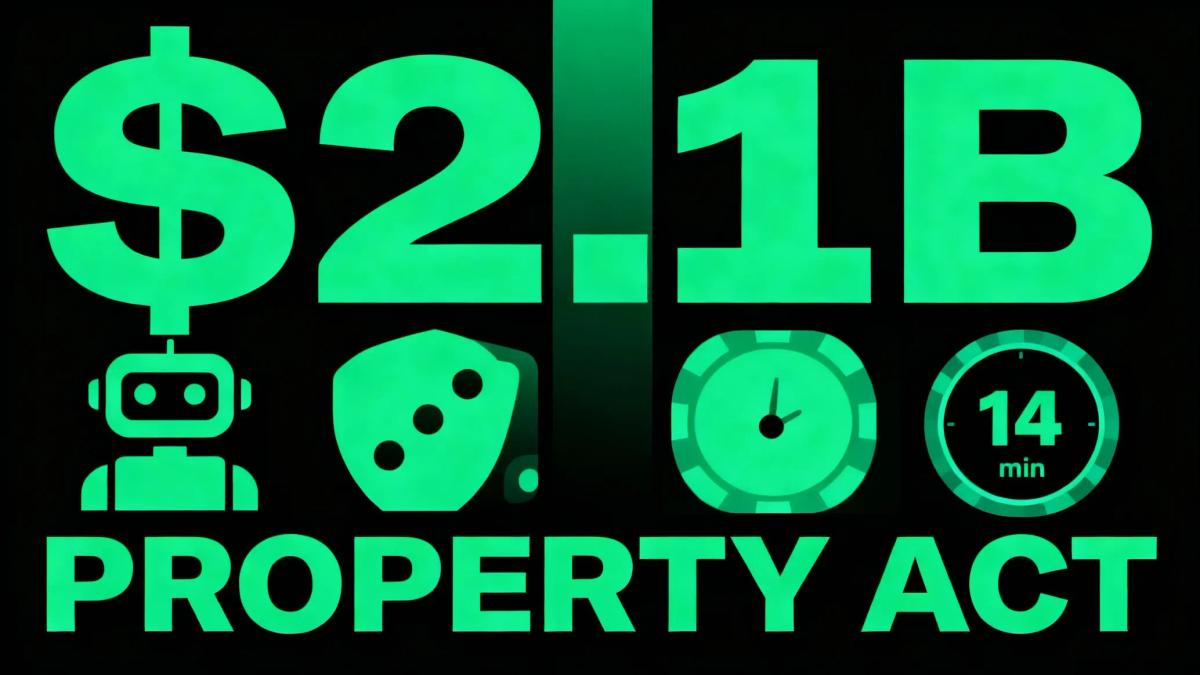
In 2024, we debated whether meme coins were a "supercycle." In 2025, we stopped debating and started automating.
The romantic era of the "Fair Launch"—where a developer deployed a contract, burned the liquidity, and prayed for a community—is dead. It has been replaced by the Industrialized Attention Economy. This year, meme coins ceased to be "assets" in the traditional sense; they became ephemeral tickets in a high-velocity, player-versus-player (PvP) lottery.
The market didn't just grow; it accelerated. The average lifespan of a meme coin (from launch to zero) compressed from 3 days in 2024 to just 14 minutes in Q3 2025.
The Core Thesis: The winners of 2025 were not the platforms that built the best communities, but the ones that reduced the "Time-to-Gambling" to zero. The platforms that removed friction (Pump.fun) and the tools that automated execution (Photon, BullX) swallowed the entire DEX landscape.
2. The 2025 Landscape & Evaluation Criteria
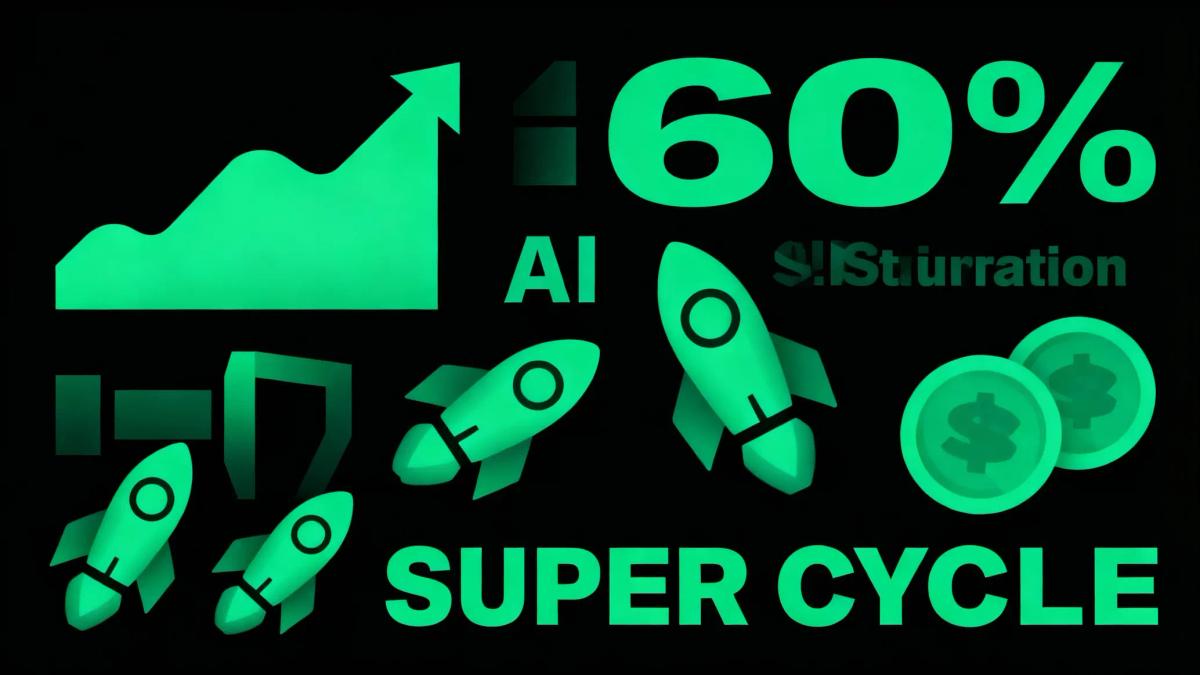
The Landscape: The PvP Super-Cycle
The macro environment was defined by "Financial Nihilism" meeting Institutional Grade Infrastructure.
- Volume Explosion: Solana meme volume eclipsed Ethereum Mainnet DeFi volume for 8 consecutive months in 2025.
- The Bonding Curve Standard: The "Pump.fun Model" (bonding curve -> Raydium migration) became the industry standard, effectively killing the pre-sale model.
- AI Saturation: By October 2025, nearly 60% of all new tokens were launched not by humans, but by autonomous AI agents (like the "Clanker" forks) responding to Twitter trends in real-time.
The Criteria: Speed is the Only Metric
We evaluated platforms based on their ability to survive in a sub-second environment.
- Time-to-Liquidity: How fast can a user go from "idea" to "tradable market"?
- Sniper Defense: Does the platform offer protection against the Jito-bundled MEV bots that plagued early 2025?
- Terminal Integration: In 2025, if your launchpad didn't have a built-in trading terminal, it failed. Users refused to switch tabs.
3. The Winners Circle (Detailed Analysis)
The Market Leader: Pump.fun (The "Steam Engine" of Memes)
- Archetype: The Monopoly
- Status: The Global Casino
Despite countless "Pump Killers" launching in Q1 and Q2, Pump.fun ends 2025 with 92% market share of Solana token launches. They generated a staggering $4 Billion in revenue, making them more profitable than Uniswap and Coinbase combined on a fee-basis.
- The Good: They solved the "Rug Pull" (mostly). By hard-coding the liquidity migration to Raydium, they removed the developer's ability to steal the pot before the curve completed. It became the "Safe" casino.
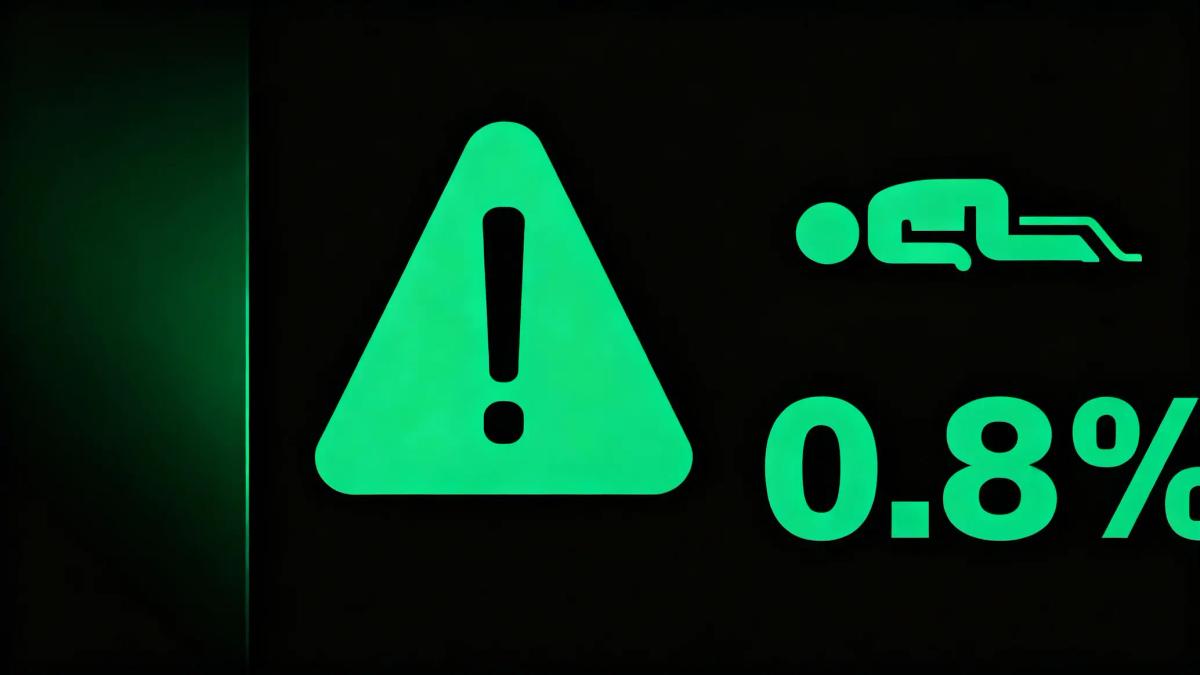
- The Bad: It created the "PvP Grind." The platform became so efficient that it cannibalized its own users. The "Graduation Rate" (tokens that actually hit Raydium) dropped to 0.8% in August, creating a graveyard of failed bonding curves.
- The Data Verdict: 25,000 tokens launched per day. It is no longer a launchpad; it is the heartbeat of the Solana blockchain.
The Innovator: Photon "Flash" (The "Weaponized" Terminal)
- Archetype: The Alpha Play
- Status: Essential Infrastructure
In 2024, Photon was just a trading site. In 2025, it became the primary interface for professional meme traders. Their integration of "Intent-Based Sniping" allowed users to pre-approve buys on tokens that hadn't even launched yet.
- The Good: Execution speed. Photon nodes (colocated with Solana validators) allowed retail traders to beat basic bots for the first time.
- The Bad: The "Audit Tax." Photon takes a fee on every trade, draining roughly 1% of the entire meme economy's market cap daily into their treasury.
- The Data Verdict: Processed $12B in volume in November 2025 alone. If you aren't using Photon or BullX, you are the yield.
The Specialist: Clanker / Farcaster Frames (The "Social" Layer)
- Archetype: The Niche Player
- Status: The Future of Issuance
While Pump.fun owned the "degen" market, the "Clanker" mechanism on Base (and its Farcaster integration) won the cultural layer. This was the rise of "Talk-to-Mint." You didn't fill out a form; you just tagged an AI agent in a conversation, and it launched the token instantly.
- The Good: Contextual Liquidity. Tokens launched inside active conversations had 40% higher retention rates than random launches on Pump.fun.
- The Bad: AI Hallucinations. Several tokens were launched with offensive names or broken tokenomics because the AI agent misinterpreted a sarcasm cue in the chat.
- The Data Verdict: While volume is lower (only 5% of Pump.fun), the User Stickiness is 4x higher. This is where the real communities hid from the PvP bots.
4. The Graveyard & Critical Risks
The Graveyard: The "Manual" DEX
R.I.P. Raydium Standard UI. No one trades on the native Raydium or Uniswap interface anymore for memes.
- Why it died: Latency. In the time it took to load the Raydium swap UI, the token had already pumped 400% and dumped 80%. The interface was simply too slow for the 2025 meta.
The Risks: The "Attention Exhaustion"
The elephant in the room is User Burnout. The "PvP" mechanics are zero-sum. For every 1000x winner on Pump.fun, there were 10,000 losers.
Key Takeaway: In Q4 2025, we saw the first decline in unique wallet addresses, despite volume hitting all-time highs. This indicates the herd is thinning; only the sharks and the bots are left.
5. Outlook 2026: AI vs. AI
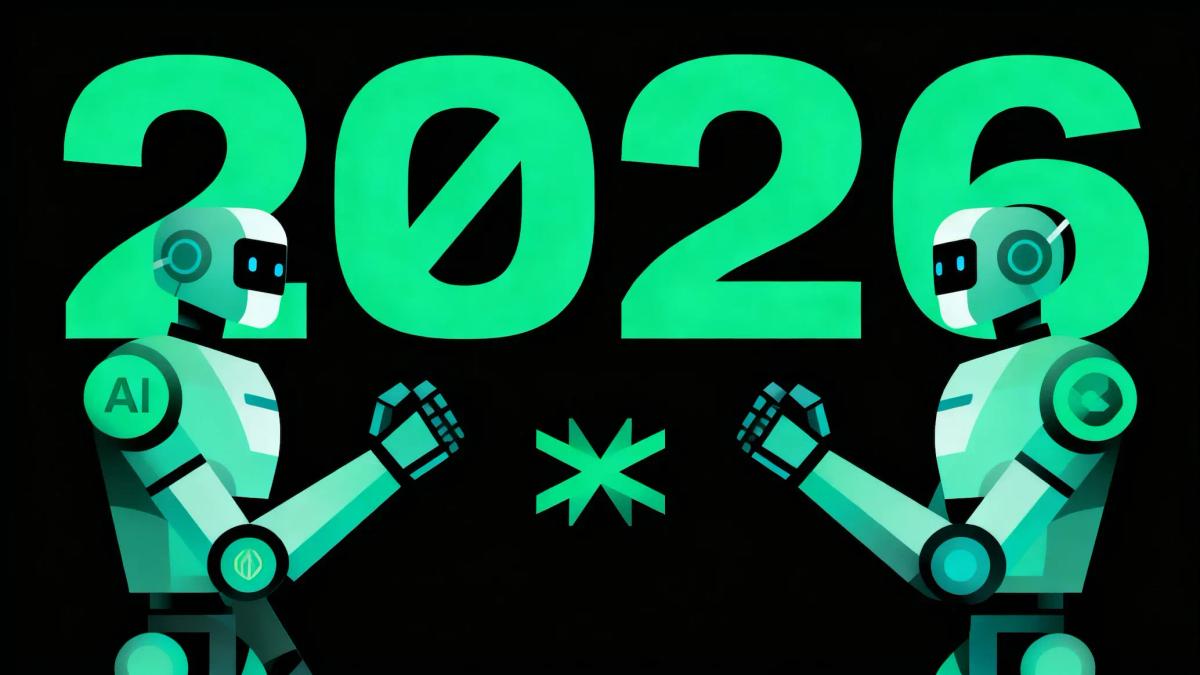
As we enter 2026, the human trader is becoming obsolete.
We are already seeing the first "Self-Trading Memes"—tokens governed by an AI that manages its own liquidity, tweets its own marketing, and buys back its own supply using trading fees. The next war won't be between Pump.fun and Photon; it will be between Sentient Token A and Sentient Token B.
Strategic Recommendation: Stop trying to snipe the bonding curve manually. The bots have won the speed war. Focus on the "Social Layer" (Farcaster/Clanker) where human context still has a premium.